Chronic obstructive pulmonary disease (COPD) is a long-term lung condition that makes it harder to breathe. It happens when airflow in and out of the lungs becomes limited, often due to inflammation or damage.
COPD includes conditions like emphysema and chronic bronchitis. Over time, it can affect your energy, activity level and overall quality of life.
With early diagnosis, the right treatment and ongoing support, many people with COPD manage their symptoms and continue doing the things they enjoy.
Understanding COPD
COPD develops slowly and often worsens over time. The most common cause is long-term exposure to irritants that damage the lungs — especially cigarette smoke. Other causes may include air pollution, chemical exposure or a genetic condition that affects lung function.
COPD is not contagious, and while it cannot be cured, it can be managed with the right care plan.
If you have a history of smoking or ongoing breathing problems, it may be time to talk with your provider about COPD testing.
COPD symptoms: What to watch for
COPD symptoms often start mild and become more noticeable over time.
Common symptoms include:
- Shortness of breath, especially during activity
- Chronic cough
- Frequent throat clearing
- Wheezing
- Tightness in the chest
- Increased mucus production
- Frequent respiratory infections
If breathing problems are interfering with daily activities or getting worse, it’s important to seek care. Early COPD diagnosis and treatment can slow progression and improve quality of life.
Call 911 if you experience severe shortness of breath, chest pain or trouble speaking due to breathlessness.
How we diagnose COPD
We use simple, noninvasive tests to evaluate lung function.
Testing may include:
- Spirometry, which measures how much air you can breathe out and how quickly
- Imaging tests, such as a chest X-ray or CT scan
- Oxygen level testing
- A review of your symptoms and medical history
These tests help us confirm a diagnosis and determine the severity of COPD so we can recommend the right treatment plan.
COPD treatment and management
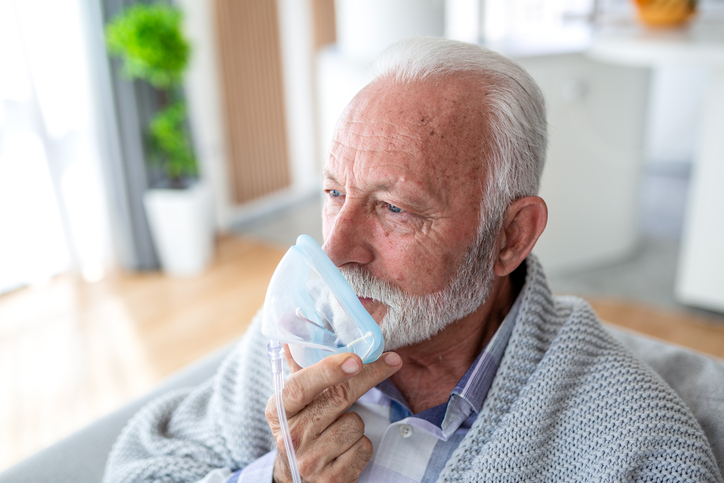
While COPD cannot be reversed, treatment can significantly reduce symptoms, improve breathing and slow disease progression.
Your COPD treatment plan may include:
Inhaled medications
Bronchodilators and other inhaled therapies help open airways and reduce inflammation.
Oxygen therapy
If oxygen levels are low, supplemental oxygen can help you feel more energized and breathe more comfortably.
Pulmonary rehabilitation
Pulmonary rehab combines supervised exercise, breathing techniques and education to strengthen your lungs and improve endurance.
Smoking cessation support
If you smoke, quitting is the most important step you can take to protect your lungs. We know quitting isn’t easy, and you don’t have to do it alone.
We provide support, counseling and treatment options to help you succeed. You can also join one of Get Healthy, Live Well’s Freedom From Smoking classes, designed to give you practical tools, encouragement and accountability as you move toward a smoke-free life. Learn more at tanner.org/classes-and-events.
Vaccinations
Flu, pneumonia and COVID-19 vaccines help reduce the risk of infections that can worsen COPD.
Our approach to COPD management focuses on improving your daily comfort and helping you stay active as safely as possible.
Living well with COPD
Managing COPD often means making gradual lifestyle adjustments.
We help you:
- Learn breathing techniques that conserve energy.
- Build safe activity routines.
- Maintain a healthy weight.
- Manage flare-ups early.
- Recognize warning signs before symptoms worsen.
Even small improvements in activity and breathing techniques can make a meaningful difference.
When to seek help
Contact your provider if you notice worsening shortness of breath, increased coughing, changes in mucus or more frequent infections. Early treatment of flare-ups can prevent hospitalization.
For severe breathing difficulty or chest pain, call 911 immediately.